


Key Insights
-
Audit and organise school instruments, accessories, and method books.
-
Keep up with repairs, consumables, and inventory tracking.
-
Set clear program goals and plan repertoire for student growth.
-
Advocate for students’ equipment and learning needs.
-
Build strong relationships with staff and access professional support.
Are you an early-career educator, heading out to your first schools as a qualified instrumental teacher? Or maybe you have taken over an existing program, and there is just stuff everywhere! Here are some tried-and-tested pointers that can really help you settle in and focus on what you do best – teaching and inspiring the next generation of musicians!
Manage Your School’s Musical Inventory
It’s important to understand and review how your school currently manages physical inventory—this includes instruments, method books, playing equipment, and other tactile items. Here are some questions to guide your review:
-
Instrument hire agreements: Does the hire fee cover only the instrument, or are accessories like shoulder rests, rosin, and other aids included? Or are families expected to purchase these separately?
-
Consumables and spares: Do you have an adequate supply of spare strings, bows, rosins, cleaning cloths, and other items that need to be replaced regularly?
-
Books and learning materials: Are parents responsible for purchasing these items for their child, or does the school supply them?
-
Repairs and servicing: Is there a regular maintenance schedule or budget in place to ensure instruments remain in good condition?
It’s important to maintain a database or detailed record of your inventory. At least once a year, conduct a full stocktake to understand your current resources and environment. Be sure to include:
-
Instruments: Record each instrument and note whether it comes with a usable bow and case.
-
Accessories: Note all extras like rosins, shoulder rests, rock stops, and other learning aids. Are these items the property of the school or the student?
-
Method Books: Track the quantity of each book for every instrument, particularly if your school loans them to students.
-
String Orchestra Repertoire: Review your ensemble music and check which pieces are current and relevant. Count how many parts are available for each piece and note if any are missing or in poor condition. This helps you plan repertoire selections and maintain sufficient copies for rehearsals and performances.
Set Clear Goals for Your Program
Take a step back and look at your program as a whole. What matters most, and what goals do you want to set? This can also be a great time to connect with friends, mentors, and fellow teachers for perspective.
Consider asking yourself:
-
Do I feel confident making repertoire decisions for different skill levels?
-
Do I have enough instruments to accommodate student interest, and if not, what’s the best way to expand?
-
Should I invest in new instruments or focus on maintaining existing instruments?
Advocate for Your Students
Use your program goals and priorities as a guide to advocate for your students’ music education. Communicate clearly, keep the conversation positive, and always explain why something matters.
Here are some ways to frame your points:
-
“I’d love to take on five more violists next year, but we’re out of usable instruments! Could we purchase two or three each semester this year, as the ones that are left are not fit for use?”
-
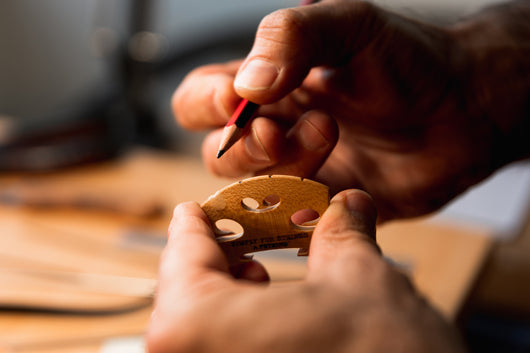
“This is the bridge, and inside is the soundpost—it isn’t glued in place, so it needs to be checked and repaired every 2–3 years. Strings can also cut in and stop vibrating properly. Do you know if these violins have had any repairs in the past?”
-
“I’m concerned some students don’t have the right learning aids for their lessons. What’s the best way we can support them?”
-
“For your child to have a good experience learning their instrument, there will be some initial costs in buying books and equipment, and eventually their own instrument. You probably wouldn’t be comfortable wearing old 20-year-old shoes, so be prepared that your grandparent’s old violin might not be suitable.”
Clear, thoughtful communication ensures your students get the support they need—and helps others understand why these decisions matter.
Nurture Positive Connections with Your School Team
Positive connections with your business manager, admin staff, Heads of Department, and fellow music teachers make a real difference for your program. Building these relationships encourages collaboration, support, and a shared commitment to your students’ music education.
-
Be present and approachable: Small, regular interactions—like a friendly “good morning” when passing by pigeonholes or the photocopier—go a long way in creating rapport.
-
Face-to-face is best: Physical, in-person experiences are the most effective way to communicate ideas and concepts.
-
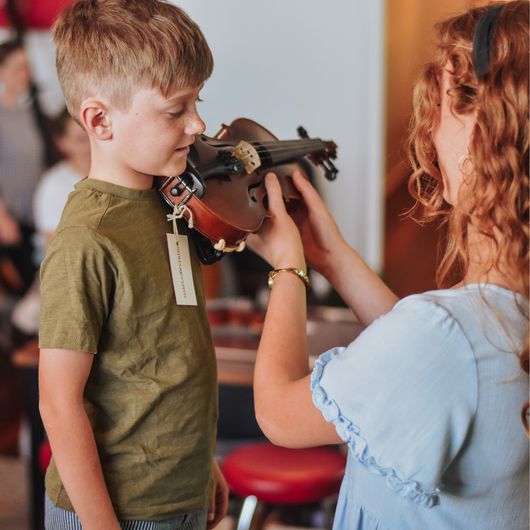
Explain through demonstration: Consider taking an instrument to show and explain something at a fundamental level (ie. unravelling strings). This will help them understand if they have a limited or no musical background.
Don’t forget that there is a huge music community who are extremely willing to help! No question is a silly question. Your region officer or line manager may be able to point you in the right direction for at-school concerns. For inventory assistance, our specialist team is able to offer an inventory assessment service, if you do require it.
Simply for Strings also has a stack of resources available, including our Education Handbook to help you feel equipped and ready for your new journey. We also have our Graded Repertoire Guide freely available to help teachers find ensemble pieces which are suitable for their groups.